What Does Madeira Taste Like?
10 Culinary Specialties You Have to Try
01 November 2026 · Alexandra Gorsche
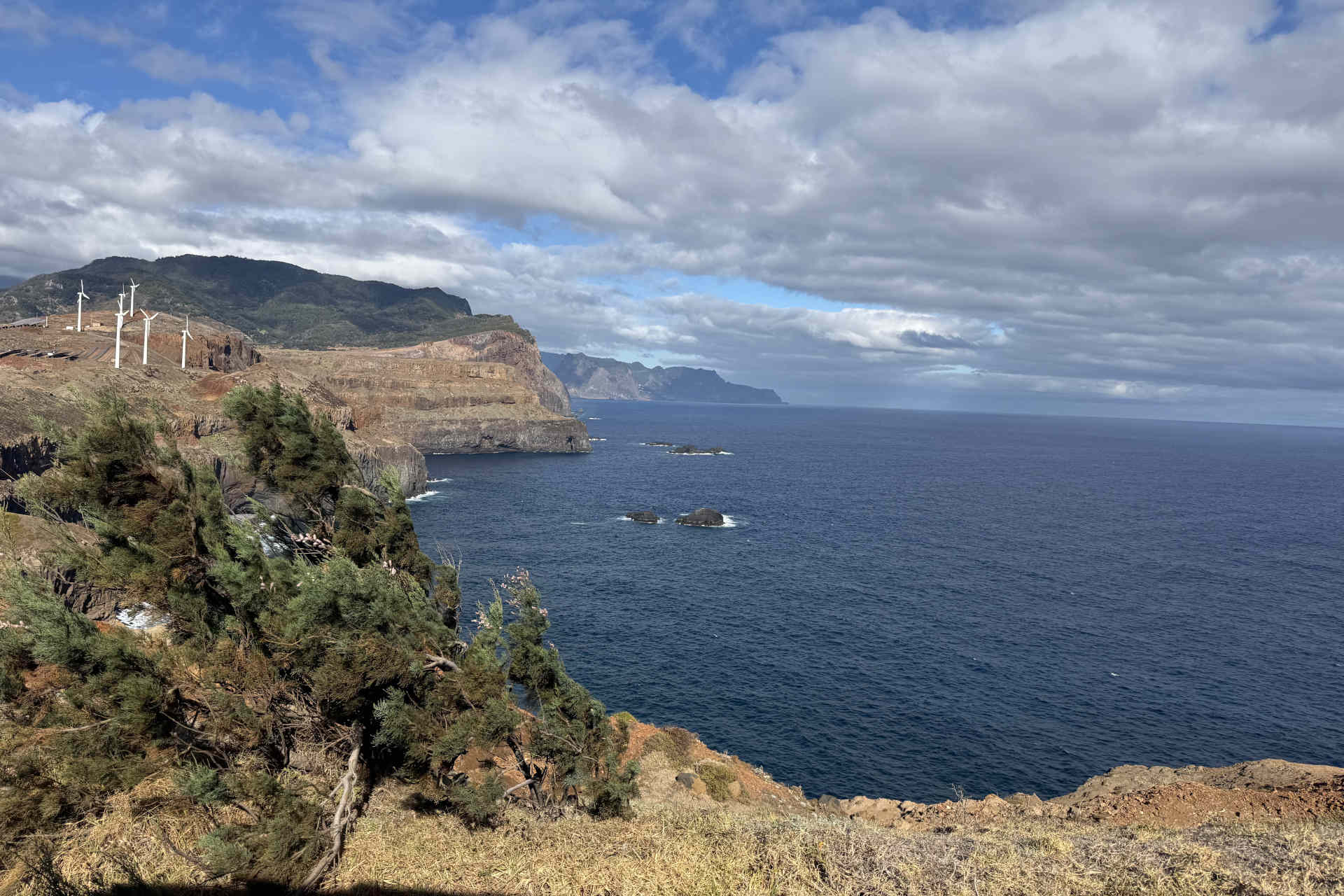
Madeira Tastes Like More Than Just Sunshine
Garlic. Bay leaves. Fire. Atlantic fish. Sugarcane. Tropical fruit. Madeira wine.
The island's traditional cuisine is often surprisingly straightforward, and that is precisely where its strength lies. Quality produce here doesn't always need elaborate presentation. At the same time, Madeira is currently undergoing an exciting culinary transformation: young and established chefs alike are taking familiar flavors, dishes, and ingredients and translating them into modern, often highly international cuisine. Regardless, there are classic dishes you simply have to try when visiting the island.
1. Bolo do Caco: Addictively Delicious Bread
If you visit Madeira and don't eat Bolo do Caco, you've missed out on a culinary essential. This flatbread is traditionally made with sweet potato and served warm, often with plenty of garlic-parsley butter. Lightly toasted on the outside, soft and fluffy on the inside. Simple, really. And dangerously good for that exact reason.
Street food tip: Casa do Bolo do Caco
I especially loved Casa do Bolo do Caco in Funchal. Here, you can watch the bread being made right in front of you. Alongside the classic version, there are various variations, including with Chouriço.
Warm, savory, flavorful, and fresh from the fire: simply heavenly.
GENUSSPUNKT Tip: Don't order it just once. Bolo do Caco is great for breakfast, as a snack, and honestly alongside almost anything.
© Genusspunkt
© Genusspunkt
© Genusspunkt
© Genusspunkt
2. Pastéis de Nata: Portugal’s Little Moment of Bliss
They aren't an exclusively Madeiran specialty, but on Madeira they are just as much a part of daily culinary life: Pastéis de Nata. Small puff pastry tarts with a creamy egg custard filling and a lightly caramelized top. They are best when still slightly warm, when the pastry is crisp on the outside and the custard inside remains silky smooth. During our breakfast at the Barceló Funchal Oldtown, they, along with Bolo do Caco and the superb selection of fresh fruit, were among the treats that make you quickly forget that breakfast is supposed to be just one single meal.
GENUSSPUNKT Tip: A Pastel de Nata and an espresso as an afternoon pick-me-up—sometimes great travel enjoyment truly doesn't need anything more.
Bolo do Caco
© Genusspunkt
Pastéis de Nata
© Genusspunkt
Milho Frito
© Genusspunkt
3. Espetada: Madeira Over an Open Fire
Espetada is one of Madeira's greatest classics. Beef is traditionally skewered and grilled over an open fire. Particularly characteristic is the pairing with bay leaves and garlic. We were served Espetada after our Harvest Experience at Blandy’s Quinta do Bispo in São Jorge. After grape harvesting, grape treading, and hours among the vines, a dish like this probably tastes even more incredible anyway.
Yet that is precisely the beauty of it: Espetada has no desire to be complicated.
Meat, fire, bay leaves, and Madeira.
© Genusspunkt
© Genusspunkt
4. An Essential Pairing: Milho Frito
You definitely shouldn't overlook Milho Frito. To make it, cornmeal porridge is cooked, cooled, cut into small cubes, and then fried until golden brown. The result: crisp on the outside, tender on the inside. On Madeira, Milho Frito is very commonly served with Espetada, and by the first bite at the latest, you understand why.
GENUSSPUNKT Tip: Don't write it off as just a boring side dish. Fresh and hot, Milho Frito is one of those simple pleasures that disappear surprisingly fast.
5. Espada: Not to Be Confused with Espetada
Two words that Madeira newcomers often mix up:
Espetada is the meat skewer.
Espada is black scabbardfish.
Black scabbardfish, known on Madeira as Espada Preto, is one of the island's culinary staples. Its appearance takes some getting used to: pitch-black, elongated, and boasting impressive teeth. The fish lives at great depths. Particularly iconic is the combination of Espada with Madeira banana. Fish and banana? It sounds unusual at first. Yet on Madeira it works so brilliantly because it unites two quintessential island products. It is served in numerous restaurants, including Vila do peixe in Câmara de Lobos.
If you'd like to see this extraordinary deep-sea fish whole, head to the fish hall at the Mercado dos Lavradores in Funchal. Espada is sold fresh there, offering a fascinating glimpse into Madeira’s fishing heritage.
6. Fruit: Madeira Is a Little Culinary Tropical Lab
I would return to the market for the fruit alone. Madeira's climate produces an incredible diversity—and many varieties taste far more intense there than what you might be used to in Central Europe. Must-tries:
Madeira bananas: smaller and more compact than standard supermarket bananas, wonderfully sweet and creamy.
Anona (custard apple): rather unassuming on the outside, but soft, creamy, and almost custard-like inside.
Maracuja (passion fruit): on Madeira, you'll encounter a wide range of varieties and flavor profiles.
And then there is a fruit that will make you wonder: What on earth is that?
Fruto Delicioso: The fruit of the Monstera deliciosa looks a bit like a cross between a green corn cob and an exotic prehistoric plant.
When ripe, its flavor is reminiscent of banana, pineapple, and custard apple.
Important note: It should only be eaten when fully ripe and the outer scales begin to fall away naturally.
It's for discoveries just like this that the Mercado dos Lavradores in Funchal is an absolute must for any culinary trip to Madeira.
My tip: Don't just take photos. Ask questions and taste.
© Genusspunkt
© Genusspunkt
© Genusspunkt
© Genusspunkt
7. Poncha: Far More Drinkable Than It Should Be
Visiting Madeira without trying Poncha would be like visiting Vienna and ignoring coffee. The classic base consists of Aguardente de Cana, citrus, and sweetener. The sugarcane spirit gives the drink its distinctive punch. And precisely because of that, a little warning: Poncha tastes far more harmless than it actually is.
My Poncha tip: Vila do Peixe
During our lunch at Vila do Peixe in Câmara de Lobos, the Poncha was prepared fresh right before our eyes. Combined with that view over the harbor and the Atlantic, the drink suddenly takes on a completely different context. Because Poncha isn't just a cocktail or a vacation novelty – it is deeply rooted in sugarcane, fishing traditions, and the island's history.
© Genusspunkt
© Genusspunkt
8. Madeira Wine: Please Never Just Call It “Sweet Wine”
If you have always filed Madeira wine away under “sweet digestif”, it’s time to reopen that chapter. The spectrum is enormous.
The classic grape varieties include:
Sercial – typically dry
Verdelho – medium dry
Bual/Boal – medium rich and medium sweet
Malvasia/Malmsey – rich and sweet
In addition, Tinta Negra and rarer traditional grape varieties also play a role. That is precisely why a side-by-side tasting of multiple styles is so rewarding. And even better: head into the vineyards!
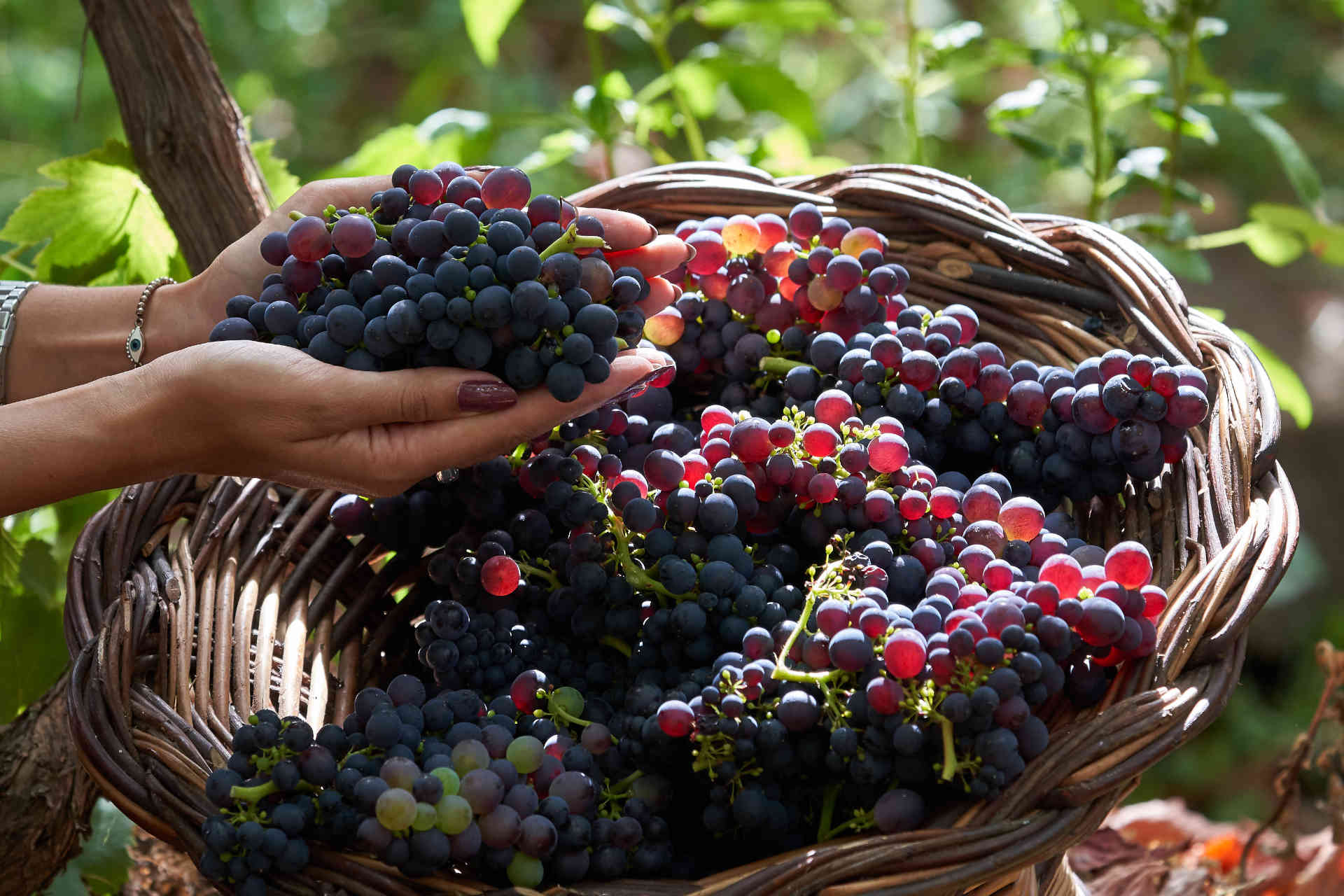
Our Harvest Experience at Blandy’s Quinta do Bispo was one of my highlights of the entire trip. We didn’t just stand among the vines – we tread the grapes with our bare feet in true traditional fashion. Steep slopes, terraced vineyards, manual labor, and climate suddenly become tangible. And that is when you truly understand why Madeira wine isn't merely a drink, but a core part of the island’s history and identity.
© Genusspunkt
© Genusspunkt
© Genusspunkt
© Genusspunkt
9. Madeira Rum: Liquid History from Sugarcane
Alongside wine, sugarcane also tells much of Madeira's story. It was already cultivated on the island in the 15th century, growing into a major economic force. For a time, sugar was literally the “white gold” of Madeira.
This history gave rise to a rum culture that remains vibrant to this day.
What makes it special: Madeira rum is made from fresh sugarcane juice, not molasses. The sugarcane juice is fermented and distilled. There is young, clear rum as well as expressions aged in wooden casks. And this brings us full circle back to Poncha: Aguardente de Cana, the Madeiran sugarcane spirit, forms its alcoholic base.
GENUSSPUNKT Tip: Visit a rum distillery. Once you have seen the sugarcane, the processing, and the distillation, even your next glass of Poncha takes on a whole new depth. Or put another way: Madeira rum is the liquid extension of the sugarcane fields – a piece of island history in a glass.
© Genusspunkt
© Genusspunkt
© Genusspunkt
© Genusspunkt
10. Sweet Souvenirs from Funchal
If you'd like to take a little piece of Madeira home with you at the end, make a note of two addresses.
Must-try and pack: Bolo de Mel de Cana da Madeira, the traditional Madeiran sugarcane molasses cake, as well as the various Bolachas, Biscoitos, and Broas, including baked goods made with Mel de Cana. You can find all of this at the heritage-rich Fábrica Santo António, which has been renowned for its pastries and biscuits since the 19th century.
At UAUCacau, artisanal chocolates meet the flavors of the island: think Madeira wine, Poncha, Mel de Cana, passion fruit, or banana.
GENUSSPUNKT Tip: You could, of course, bring them back as gifts. The greater challenge is making sure they actually survive the trip home.
© Genusspunkt
© Genusspunkt
© Genusspunkt
© Genusspunkt
Check What’s Happening: Madeira Knows How to Festival
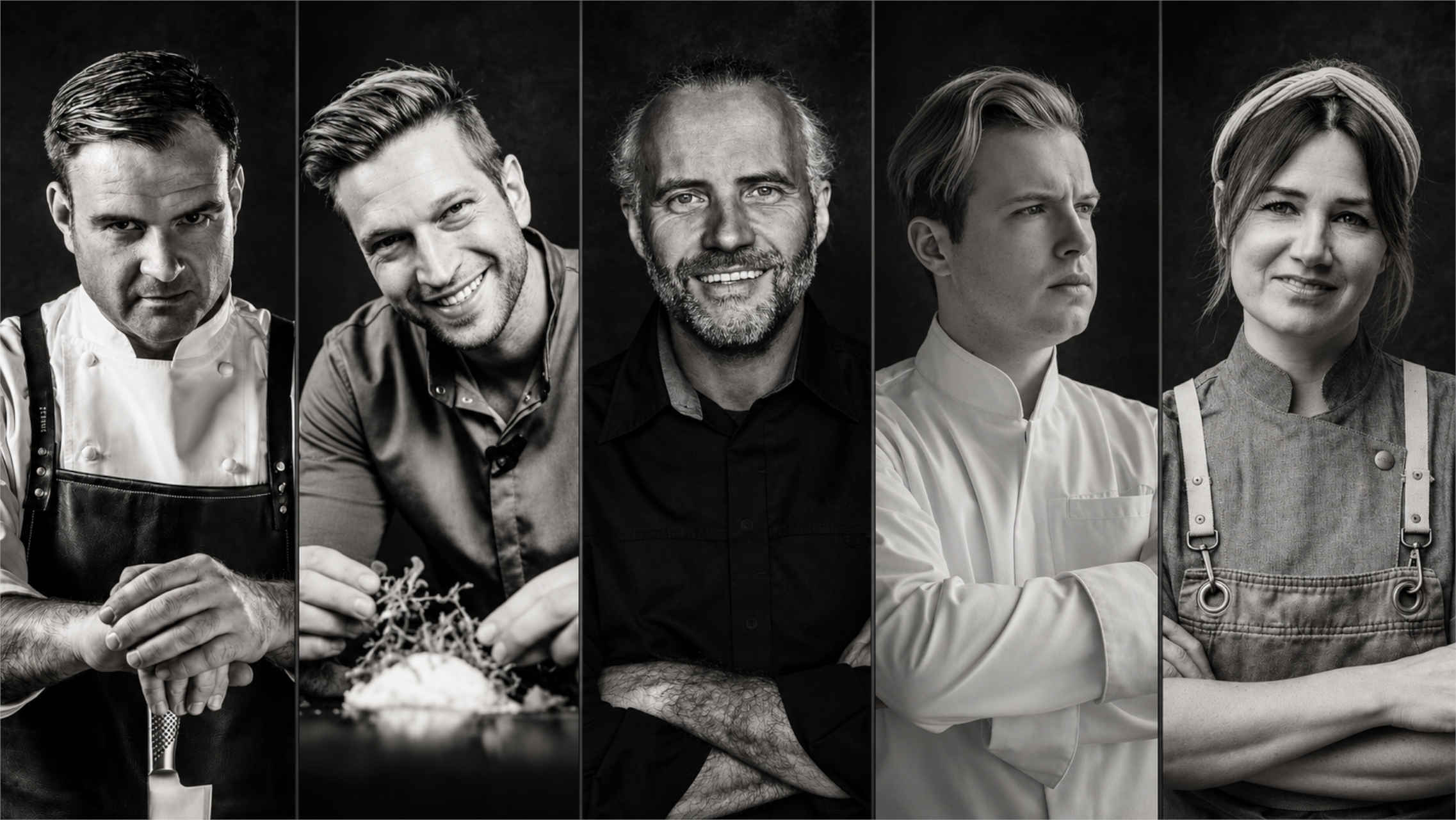
There is also a surprising amount happening on the island: wine events, fiestas, food festivals, and gatherings take place throughout the year. That's why it is well worth checking the event calendar before your trip. Sometimes it leads to an experience you wouldn't have planned otherwise. We had the opportunity to attend the Gourmet Festival at Casa Velha do Palheiro. Diverse chefs and culinary signatures came together here, and the dishes were just as diverse: modern, international, with fusion elements, yet consistently rooted in Madeira’s local produce and flavors. That’s precisely what made the evening so compelling: seeing how varied the island’s culinary interpretations are today, far beyond the traditional dishes. Madeira also hosts plenty of wine-related events and festivals year-round. Our tip is therefore very simple: Don’t just research restaurants and excursions in advance – check what’s happening on the island during your stay. It might just become one of the highlights of your trip.
My Culinary Madeira Verdict
Madeira is rustic and authentic:
A warm Bolo do Caco.
Fish straight from the Atlantic.
Beef over an open fire.
A piece of Milho Frito.
A sweet little banana.
A glass of Madeira wine.
And alongside that, a generation of chefs who take all these ingredients and ask: What else can we make of this? It is precisely this blend of down-to-earth roots and forward-thinking spirit that makes Madeira one of the most exciting culinary destinations in the Atlantic for me. You might come for the scenery and the climate. But Madeira finds its way into your memory through flavor remarkably fast.