50 Best becomes The 50
Lisa Green explains how rankings, discovery and international networks are set to shape the future of the hospitality industry
20 October 2026 · Alexandra Gorsche

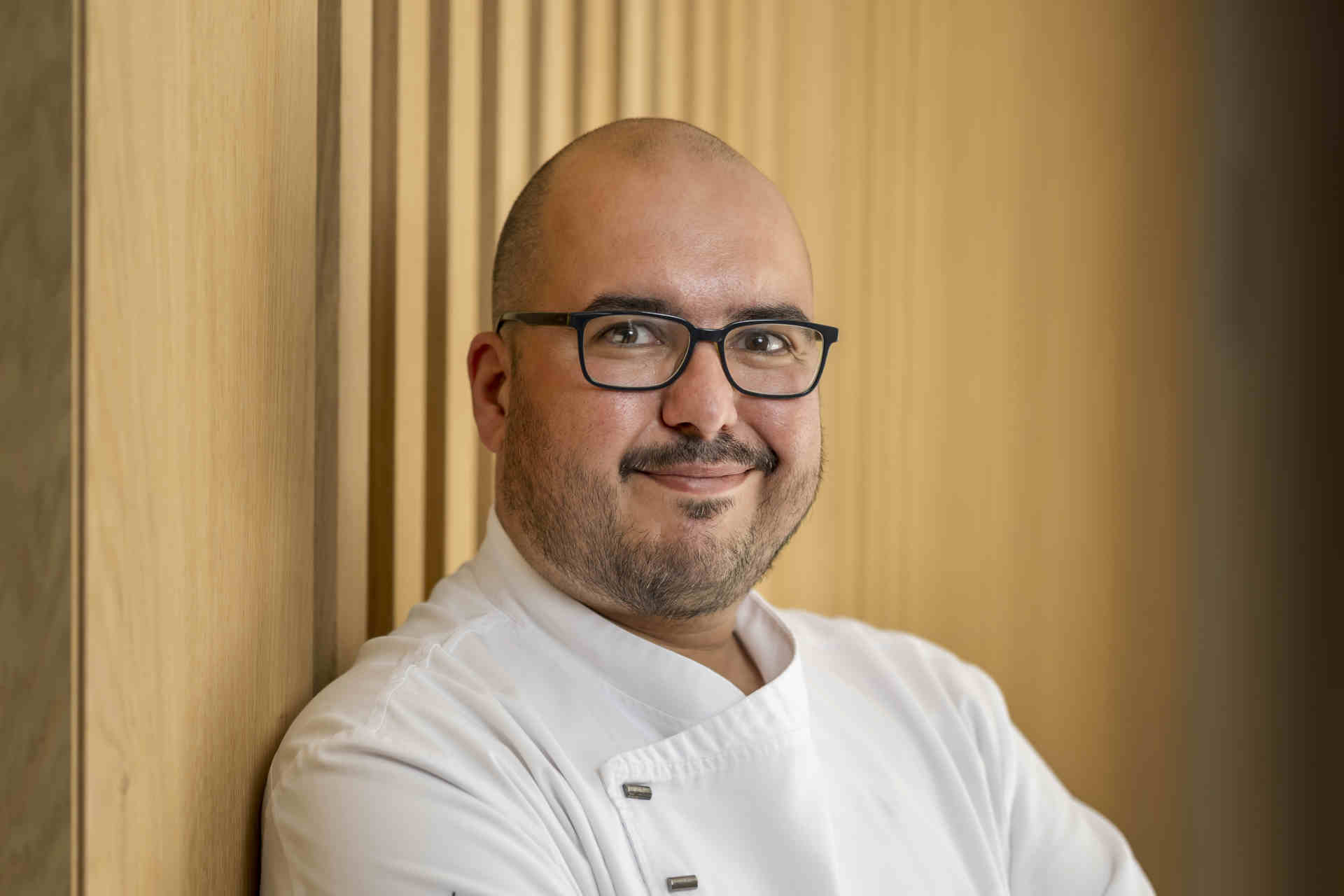
From the World’s 50 Best Restaurants to a global hospitality platform: under the name The 50, restaurants, bars, hotels, wineries and a whole world of culinary experiences are coming together. But behind the new brand identity lies a much bigger question: can one of the world’s most influential ranking organisations become a driving force for an entire industry? GENUSSPUNKT speaks to Lisa Green, Managing Director of Content at The 50, about influence, independence and the future of hospitality.
A brand with star power
A place on a ‘50 Best’ list can transform careers. It can catapult restaurants into the international spotlight overnight, draw travellers from halfway around the world, and bring global attention to previously unknown destinations. Hardly any other brand in the international hospitality industry possesses comparable star power.
But the world of hospitality is changing. And with it, the brand that has helped shape this evolution for more than two decades. What began in 2002 as a restaurant ranking has long since grown into an international network of restaurants, bars, hotels, vineyards, editorial content, events and The 50 Discovery. Now, these activities are being brought together under a single brand: The 50.
There is far more to this than just a new name. It represents an ambition to move beyond the annual awards ceremony and to be part of the year-round conversations that shape the future of the industry. For Lisa Green, Managing Director of Content at The 50, this development was not a sudden turning point. “The name 50 Best still described our rankings very aptly. But it had long since ceased to reflect the full scope of our work. With The 50, we are giving something that has already grown a shared name and a shared platform.”
More than just one night in the spotlight
The award ceremonies remain the brand’s most visible highlights. Yet the world of top-class hospitality and gastronomy does not follow an annual calendar of events. Restaurants develop new concepts, chefs re-evaluate their menus, bartenders experiment with ingredients, and hotels respond to changing guest preferences. Innovation doesn’t wait for the next award. Nor do guests seeking new experiences.
“The hospitality industry simply doesn’t operate according to an annual calendar”, explains Green. For The 50, this means no longer viewing awards solely as a highlight, but also as a starting point for an ongoing relationship. Editorial content, international industry gatherings and communities are designed to foster exchange well beyond the publication of the rankings. For hospitality businesses, this distinction is crucial: an award generates attention. Continuous visibility can turn that into long-term relevance.
The 50 Discovery: Excellence doesn’t end at number 50
One of the most exciting elements of the new brand universe is The 50 Discovery. After all, even the most prestigious ranking has an inevitable limitation: a top-50 list can only feature 50 establishments. But what about that small restaurant serving exceptional cuisine? Or an independent bar that has developed its very own cocktail culture? Or a boutique hotel that defines a destination without ever appearing on an international ‘best of’ list? This is precisely where Discovery comes in. “A list can only ever tell part of the story. Some of the world’s most exciting places may not even make it onto such a list”, says Green.
By offering a broader selection of dining destinations and hotels, Discovery broadens the perspective beyond the actual rankings. Travellers gain additional inspiration, whilst establishments are given the chance to be discovered by an international audience. For the hospitality industry in particular, this could become one of the most significant aspects of this reorientation. After all, excellence is not confined to rankings. And visibility should not necessarily end at number 50.
With influence comes responsibility
However, as its reach grows, a crucial question arises. In future, The 50 will bring together rankings, editorial content, events, communities and commercial partnerships under a single brand. Whilst this opens up new opportunities for collaboration, it makes clear boundaries all the more important. How can an organisation expand its commercial and editorial activities without jeopardising the independence of the very rankings on which its reputation is based? Green’s answer is unequivocal: “Our voting panels are independent, our assessment methods are well-established and publicly available, and the voting process is independently monitored. Partners have absolutely no influence over who votes or how votes are cast. We would never jeopardise this separation.”
The new brand structure does not alter the procedures used to compile the rankings. According to Green, independence, integrity and transparency remain the organisation’s core principles. This commitment takes on even greater significance, particularly with the expansion of the platform. After all, rankings do not merely reflect reputation; they can actively influence it. A top ranking can alter travel decisions, investments, recruitment and the perception of entire destinations. Credibility is therefore not merely a decorative mark of quality, but the foundation upon which all of The 50’s other ambitions are built.
From a global ranking to an international knowledge network
The challenges facing the hospitality sector know little regard for national borders. A shortage of skilled workers, changing consumer behaviour, pressure to be sustainable, technological progress and the growing influence of artificial intelligence are transforming business models in the catering and tourism sectors worldwide. However, the responses to these challenges often emerge on a small scale: in individual kitchens, restaurants, bars and hotels. Green sees precisely this as an opportunity. The 50 could bring these experiences more closely together and ensure that successful ideas have an impact beyond regional borders. “Many of the challenges facing our industry are the same across a wide variety of markets. And, surprisingly often, the same applies to the solutions.”
This significantly broadens the brand’s potential role. Awards remain central. At the same time, The 50 aims to promote the international transfer of knowledge, facilitate collaboration and bring the global hospitality community closer together. For young talent in particular, such a network could offer more than just an award: new contacts, international perspectives and a sense of belonging to a community. The stated aim is to become a positive force for the hospitality industry. Whether this actually results in measurable benefits for establishments and their teams will be one of the most intriguing questions in the coming years.
When a ranking transforms entire destinations
The influence of international hospitality rankings extends far beyond the establishments that feature on the lists. An award-winning restaurant can attract international guests to a city. An awards ceremony can draw the world’s attention to a previously underrated destination. And an establishment that was previously little known may suddenly find itself facing demand that exceeds all expectations. Green is well aware of this responsibility. “A place on one of our lists can transform an establishment practically overnight. And hosting one of our events can have a significant impact on a city’s entire hospitality scene.” The attention should not, however, benefit only the award-winning establishments, but also the people and businesses in their wider community. This is an important consideration at a time when culinary tourism is increasingly shaping the international perception of entire regions. The crucial question is how international recognition can generate sustainable added value for a destination.
The real test begins between the awards
When Lisa Green looks five years ahead, she paints a remarkable picture of success. She isn’t talking about major award ceremonies or an even longer list of award-winning establishments. Instead, she envisages an industry that recognises The 50 as part of its network all year round. Travellers who use Discovery to plan their next trip. People who read stories, discover recommendations and then attend events, all as part of a cohesive experience. Above all, however, trust in the rankings must remain unshaken. And then there is the next generation. “If a young chef or barman anywhere in the world feels that The 50 is a community to which they can belong, that would be a real sign to me that we’ve taken the right step.”
The success of The 50 will be measured by whether it actually connects people, makes knowledge accessible and opens up new perspectives. The rankings have made 50 Best a global authority. What happens between the awards will determine what The 50 makes of it.
At a glance: What is The 50?
The 50 is the new umbrella brand that brings together the former 50 Best rankings, The 50 Discovery, editorial content, events and international hospitality communities. The spectrum covers restaurants, bars, hotels and wineries. The aim is to establish a year-round platform for inspiration, knowledge-sharing and international networking that goes beyond individual award ceremonies.